
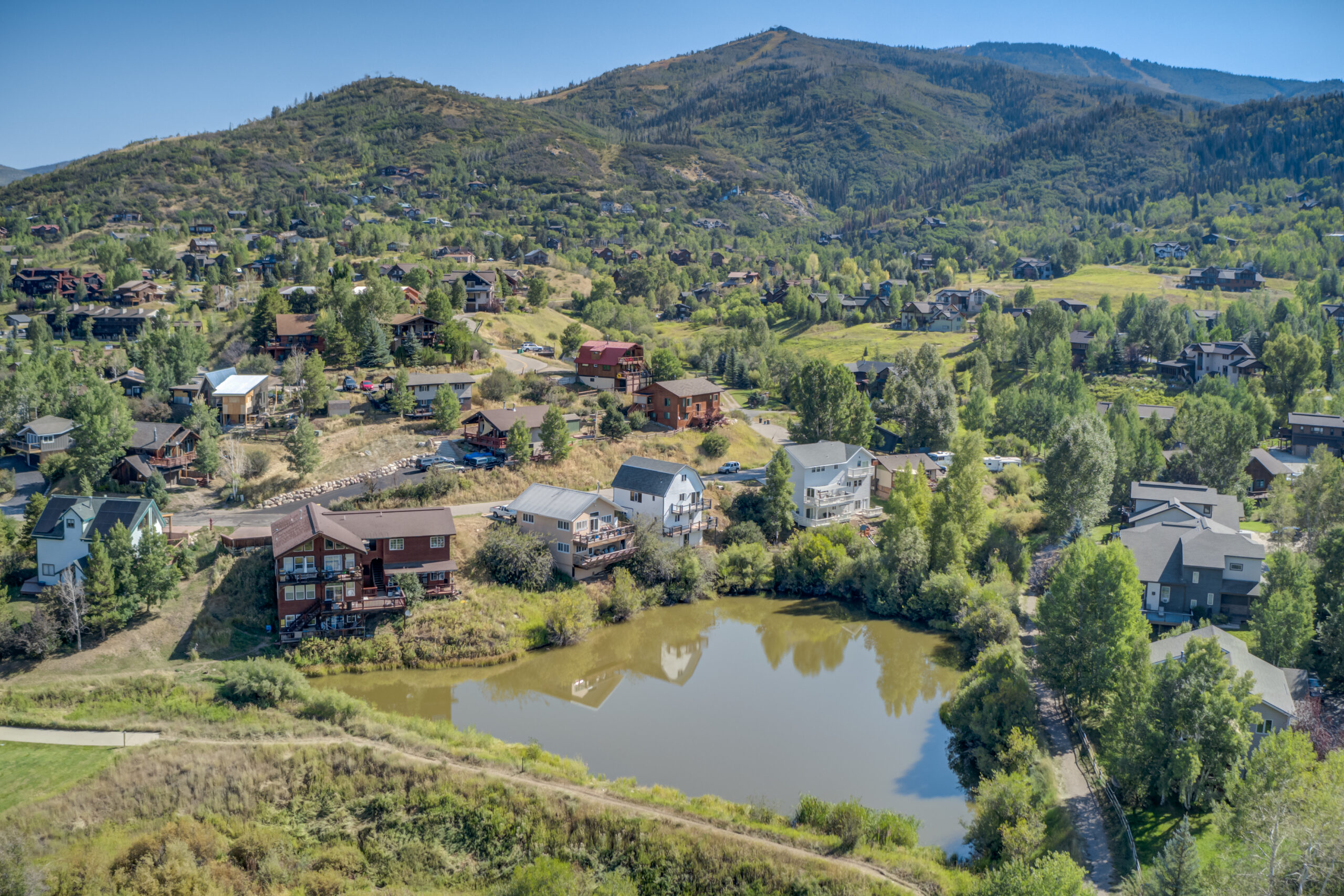
Everything You Need to Know Before Calling Steamboat Springs Home
Whether you’re dreaming of powder days on the slopes, quiet mornings on the Yampa River, or simply looking for a mountain community with a strong sense of place, Steamboat Springs has a way of capturing people’s attention—and keeping it.
For some, it’s a ski vacation that turns into a second home. For others, it’s a job opportunity, a desire to raise a family in the mountains, or the freedom to work remotely from almost anywhere. Whatever the reason, more people are considering a move to Steamboat Springs than ever before.
But relocating to a mountain town is different than moving to most places.
Questions about neighborhoods, schools, winter weather, internet, healthcare, recreation, and the local real estate market all become part of the decision.
This guide was created to answer those questions honestly.
As a real estate team serving Steamboat Springs and the surrounding Routt county communities of Stagecoach, Oak Creek, Hayden and Clark since 2006, we’ve helped buyers from across Colorado and around the country and world make the transition. Along the way, we’ve learned that the best relocation decisions happen when people understand not only the homes available, but also what everyday life here is really like.
Whether you’re planning to move in a few months or simply exploring the idea, we hope this guide helps you decide if Steamboat Springs is the right fit.
Why Are So Many People Moving to Steamboat Springs?
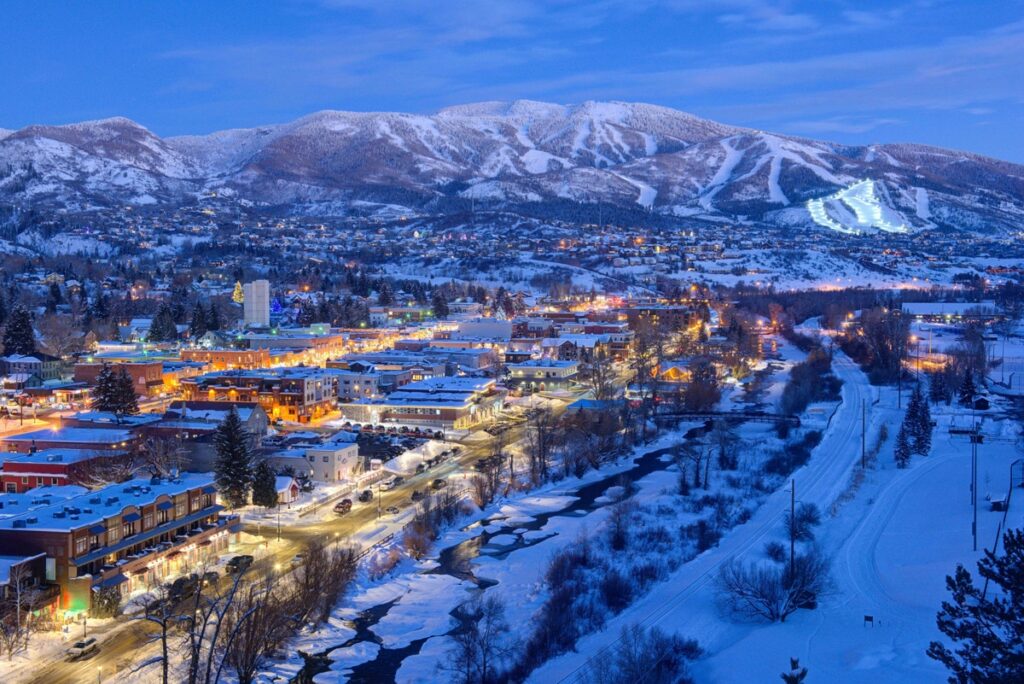
Every person who moves to Steamboat has a different story.
Some arrive because they fell in love with skiing. Others come for the rivers, trails, ranches, or mountain views. Many discover that what keeps them here isn’t just the scenery—it’s the community.
Unlike many resort towns, Steamboat Springs has managed to retain its western heritage while continuing to grow. You’ll find a world-class ski resort, award-winning restaurants, local businesses that have served the community for decades, and neighbors who still wave as they pass on country roads.
People often describe Steamboat as a place where outdoor recreation isn’t something you schedule—it simply becomes part of daily life.
One evening might end with a bike ride along the Yampa River Core Trail. Another could be spent watching a high school football game, attending a concert, or floating the river with friends.
It’s a community where locals ski before work, paddle after dinner, volunteer at community events, and genuinely know their neighbors.
That balance of recreation, community, and year-round living is what makes Steamboat unique.
Where Is Steamboat Springs?
Steamboat Springs is located in northwest Colorado, approximately 155 miles northwest of Denver.
Although it feels tucked away in the mountains, it’s surprisingly accessible.
The city is served by Yampa Valley Regional Airport (HDN), which offers seasonal nonstop flights to many major U.S. cities, making travel convenient for both full-time residents and second homeowners. Denver is typically about a three-hour drive, depending on weather and road conditions.
Nearby communities include:
- Stagecoach – Approximately 25 minutes south, known for Stagecoach Reservoir, larger homesites, and a quieter mountain lifestyle.
- Oak Creek – A historic mountain town about 20 minutes south, offering additional housing options and a close-knit community.
- Hayden – Approximately 25 minutes west, home to the regional airport and a growing residential community.
- Clark – North of Steamboat Springs by about 30 minutes, near Steamboat Lake, offering larger acreage properties, ranches, and access to incredible outdoor recreation.
Together, these communities create a diverse real estate market with opportunities ranging from downtown condos and luxury ski homes to ranches, riverfront properties, and mountain homesites.
Is Steamboat Springs Right for You?
One of the questions we’re asked most often is simple:
“Would we actually enjoy living in Steamboat?”
The answer depends on what you’re looking for.
Steamboat isn’t trying to be Aspen, Vail, or Breckenridge. It has its own personality—one that’s shaped by ranching roots, outdoor recreation, and a strong year-round community.
Here’s who tends to thrive here.
Families
Families are often drawn to Steamboat because of its combination of outdoor recreation, community involvement, and educational opportunities.
Children grow up skiing, hiking, biking, fishing, and participating in youth sports and community events. Parks, trails, and open space are woven throughout the community, making it easy to spend time outside together throughout the year.
Many parents appreciate that Steamboat still feels like a place where kids can experience a genuine mountain-town childhood.
Remote Workers
As remote work has become more common, Steamboat has attracted professionals who want to combine career flexibility with an exceptional quality of life.
Instead of commuting through city traffic, mornings might begin with coffee overlooking the mountains, followed by a productive workday and an evening hike or bike ride.
Internet availability continues to improve throughout the area, although speeds vary by neighborhood and some rural properties may rely on different service providers than homes in town.
Outdoor Enthusiasts
If your ideal weekend includes skiing, mountain biking, fly fishing, paddleboarding, snowmobiling, or hiking, it’s hard to imagine a better place to live.
One of Steamboat’s greatest strengths is that outdoor recreation isn’t reserved for vacations—it’s simply part of everyday life.
Residents often finish work and head directly to the ski mountain, the Yampa River, Emerald Mountain, or one of the many nearby trail systems.
Second-Home Owners
Many buyers aren’t relocating full-time—they’re looking for a mountain home they can enjoy throughout the year.
Steamboat offers a wide range of options, from luxury ski-area residences and downtown condominiums to quieter homes in surrounding communities like Stagecoach and Clark.
For buyers seeking a balance between investment potential and personal enjoyment, the area offers opportunities across a variety of price points and lifestyles.
Retirees
Retirees are increasingly choosing Steamboat for its active lifestyle and welcoming community.
Whether it’s golfing during the summer, skiing in the winter, volunteering with local organizations, or simply enjoying the scenery, many find that retirement here offers opportunities to stay engaged and active throughout the year.
What Makes Steamboat Different?
Every mountain town has beautiful scenery.
What sets Steamboat Springs apart is that it feels like a real community first and a resort second.
The ski mountain is certainly part of the town’s identity, but so are Friday night football games, the Routt County Fair, the Steamboat Pro Rodeo Series, Winter Carnival, local nonprofits, farmers markets, and community traditions that have existed for generations.
It’s not unusual to see Olympians sharing the slopes with local families, ranchers having coffee downtown, or neighbors gathering for a community fundraiser.
That blend of authenticity and recreation is one of the reasons so many people who come for a visit eventually decide to stay.
Cost of Living, Housing & Choosing Where to Live in Steamboat Springs
For many people considering a move to Steamboat Springs, the lifestyle is the easy part to fall in love with.
The bigger question is often: Can we make living here work?
Steamboat is a resort community with a limited supply of housing, strong demand, and a real estate market that looks very different from many other parts of Colorado. Housing will likely be the largest consideration when planning a move, but where you choose to live can make a significant difference.
Living downtown offers a completely different experience from living near the ski area. Moving 20 to 30 minutes outside Steamboat can open the door to larger properties, different price points, and a quieter lifestyle.
Understanding those differences is one of the most important parts of planning a move.
What Does It Cost to Live in Steamboat Springs?
There’s no getting around it: Steamboat Springs is an expensive place to live, and housing is a major reason why.
The City of Steamboat Springs has identified housing cost and availability as one of the community’s most significant challenges, particularly for the local workforce.
For someone relocating here, however, “cost of living” goes beyond the purchase price of a home.
Depending on the property, you’ll want to consider:
- Property taxes
- Homeowners insurance
- HOA dues
- Heating and utility costs
- Snow removal
- Home maintenance
- Transportation
- Well and septic maintenance on some rural properties
- Propane on properties that aren’t served by natural gas
- Internet options in more rural locations
Mountain homes can also come with considerations buyers may not encounter elsewhere. Private roads, steep driveways, snow loads, wildfire mitigation, wells, septic systems, and access to utilities can all affect the cost and practicality of owning a particular property.
That’s one reason we encourage buyers to look beyond the listing price when comparing homes.
Two similarly priced properties can have very different ongoing costs.
Buying a Home in Steamboat Springs
Steamboat Springs has a surprisingly diverse real estate market for a community of its size.
Buyers may find everything from small ski-area condos and downtown residences to single-family homes, luxury estates, riverfront properties, ranches, and vacant land.
The right choice often comes down to how you actually want to live here.
Someone who wants to walk downtown for dinner may prioritize location over square footage.
A buyer who wants easy access to the ski mountain may prefer a condo with amenities and less maintenance.
Someone looking for privacy, acreage, a workshop, or room for recreational equipment may decide that Stagecoach, Clark, Oak Creek, Hayden, or another part of Routt County makes more sense.
Before getting caught up in individual listings, it helps to identify the lifestyle you’re trying to create.
Steamboat Springs Neighborhoods: Where Should You Live?
There isn’t one “best” neighborhood in Steamboat Springs.
There is, however, probably an area that makes the most sense for you.
Here are some of the communities and areas relocation buyers commonly consider.
Downtown & Old Town Steamboat Springs
For buyers who value walkability, Downtown and Old Town are hard to beat.
Living here puts restaurants, shops, schools, parks, the Yampa River Core Trail, Howelsen Hill, Emerald Mountain, and many of Steamboat’s community events close to home.
Housing ranges from historic homes and smaller residences to newer luxury condos and townhomes.
The tradeoff is that this convenience comes with limited inventory and often premium pricing.
For buyers who picture themselves walking to dinner, biking along the Yampa, catching a concert, or heading up Emerald Mountain without getting in the car, Downtown and Old Town offer a distinctly Steamboat lifestyle.
The Mountain Area
The Mountain Area surrounds Steamboat Resort and includes a broad mix of condominiums, townhomes, luxury residences, and single-family homes.
For many second-home buyers, this is one of the first places they look because of its proximity to skiing and resort amenities.
But the Mountain Area isn’t one uniform neighborhood.
Some properties are within walking distance of the base. Others offer ski access or shuttle service, while residential pockets farther from the slopes can feel surprisingly quiet.
The area also offers many lock-and-leave options, which can be particularly appealing to owners who won’t be living in Steamboat full-time.
Buyers considering the Mountain Area should pay close attention to HOA dues, amenities, rental rules, parking, management structure, and short-term rental regulations, as these can vary considerably from one property to another.
Fish Creek
Fish Creek is one of the established residential areas between downtown and the mountain.
Its location makes it convenient for reaching both sides of town, while many properties feel removed from the activity of the resort base and Lincoln Avenue.
You’ll find a mix of older homes, extensively remodeled properties, and newer construction throughout the area.
For relocation buyers who want a residential setting while remaining close to both downtown and the ski area, Fish Creek is often worth exploring.
West Steamboat, Steamboat II & Heritage Park
West Steamboat offers another side of the community.
Neighborhoods in this part of town include a mix of single-family homes, townhomes, and newer residential development, with convenient access to US 40 for those commuting west toward Hayden or Yampa Valley Regional Airport.
As Steamboat continues to grow, the west side is also an area to watch as new housing, infrastructure, and community investments take shape.
For some buyers, it offers an appealing balance between being within Steamboat Springs and having easy access to the broader Yampa Valley.
Strawberry Park
Strawberry Park offers a more rural side of Steamboat Springs, with larger properties, open space, mountain views, and a sense of privacy while still being relatively close to town.
The area is known for a mix of ranches, custom homes, equestrian properties, and acreage, with many properties feeling distinctly removed from the more developed neighborhoods closer to downtown and the ski area.
For buyers considering Strawberry Park, the appeal is often the combination of space and proximity—the opportunity to enjoy a quieter Colorado mountain setting without giving up convenient access to Steamboat Springs.
Properties here can also come with more rural considerations, including wells, septic systems, private or county road access, snow removal, and larger parcels to maintain. For buyers looking for acreage, privacy, or a more traditional Routt County lifestyle, Strawberry Park is an area worth exploring.
Looking Beyond Steamboat Springs
One of the most important things relocation buyers learn is that moving to Steamboat doesn’t necessarily mean living within Steamboat Springs city limits.
Several surrounding communities offer completely different lifestyles while keeping Steamboat within reasonable driving distance.
Stagecoach
Located roughly 25 minutes south of downtown Steamboat Springs, Stagecoach has become an increasingly interesting option for buyers looking for more space, mountain views, outdoor recreation, and a quieter setting.
Stagecoach Reservoir sits at the heart of the community and provides boating, paddleboarding, fishing, kayaking, and year-round recreation.
Real estate ranges from established homes overlooking the reservoir to wooded and open homesites where buyers can build.
Stagecoach is also continuing to evolve. Infrastructure investments, including electrical improvements in portions of South Shore, are changing what may be possible for some existing homes and undeveloped properties.
For buyers who don’t need to live directly in Steamboat, Stagecoach can offer a very different version of the Yampa Valley lifestyle.
Oak Creek
Continue south and you’ll reach Oak Creek, a small, established town with its own downtown, schools, businesses, and community identity.
Oak Creek can offer additional value compared with Steamboat Springs while keeping residents within commuting distance of both Steamboat and Stagecoach.
The housing stock is varied, from historic homes to newer properties and homes with larger floor plans.
For buyers willing to trade a longer drive for additional space or a different price point, Oak Creek deserves consideration.
Hayden
About 25 minutes west of Steamboat Springs, Hayden has been experiencing its own growth.
Its location is especially convenient for anyone who travels frequently because Yampa Valley Regional Airport is just outside town.
Hayden has its own schools, restaurants, businesses, and community events, and its real estate market includes both established neighborhoods and newer development.
For people working in Steamboat but looking beyond city limits—or those who travel frequently—Hayden can be an appealing alternative.
Clark & North Routt
Head north from Steamboat and the landscape changes again.
Clark and the surrounding North Routt area are known for larger parcels, ranches, cabins, mountain homes, and access to Steamboat Lake, Pearl Lake, the Mount Zirkel Wilderness, and miles of public land.
This is a very different lifestyle from living downtown or near the ski mountain.
Properties may involve private wells, septic systems, propane, private or HOA-maintained roads, and other rural considerations. Winter driving and snow removal also become more important.
For the right buyer, however, North Routt offers something difficult to replicate: space, privacy, extraordinary recreation, and a genuine feeling of living in the Colorado mountains.
Condo, Single-Family Home, Land—or Something Else?
One of the advantages of the broader Steamboat Springs real estate market is the variety.
Condos & Townhomes
Condos can make sense for buyers prioritizing convenience and lower-maintenance ownership.
They are particularly common around the Mountain Area, but options exist throughout town.
When comparing condos, don’t look at price alone. Review:
- HOA dues
- What those dues cover
- Reserve funds
- Special assessments
- Rental restrictions
- Insurance
- Parking
- Storage
- Amenities
- Upcoming capital projects
A higher HOA fee isn’t necessarily bad if it covers substantial services and the association is well managed. The important thing is understanding exactly what you’re buying into.
Single-Family Homes
Single-family homes offer more independence but generally come with more responsibility.
Snow removal, landscaping, exterior maintenance, utilities, and repairs become the owner’s responsibility rather than the HOA’s.
Lot size, garage space, outdoor living, neighborhood, views, and proximity to recreation can all have a meaningful effect on value.
Luxury Homes
Steamboat’s luxury market has continued to evolve.
Luxury buyers aren’t simply looking for more square footage. We’re seeing increased emphasis on location, architecture, privacy, outdoor living, views, high-quality construction, and properties that offer an experience that would be difficult to recreate.
Riverfront properties are particularly unique because supply is inherently limited.
At the same time, new luxury development around the Steamboat Resort base area is introducing a new tier of pricing and raising expectations around finishes, amenities, services, and lock-and-leave ownership.
For luxury buyers, comparing an established custom home with a newly built resort residence isn’t always an apples-to-apples exercise. Understanding the lifestyle and long-term goals behind the purchase becomes especially important.
Land & Building
Buying land can be an exciting way to create exactly what you want, but building in the mountains comes with additional considerations.
Before purchasing a homesite, buyers should understand:
- Zoning
- Building envelopes
- Utilities
- Water and sewer availability
- Well and septic requirements
- Road access
- Snow removal
- HOA restrictions
- Topography
- Soils
- Construction costs
- Contractor availability
- Wildfire considerations
A beautiful lot isn’t necessarily an easy lot to build on.
Doing the homework before purchasing can make an enormous difference.
Should You Rent Before Buying?
For some people, absolutely.
Renting first can give you time to experience Steamboat through multiple seasons, learn how different neighborhoods feel, and determine which conveniences matter most to you.
The challenge is availability.
Steamboat’s housing supply is constrained, and long-term rentals can be difficult to find. The City continues to identify attainable workforce housing as a major community priority.
For buyers who already know Steamboat well—perhaps after visiting for years or owning a second home—renting first may be less important.
There isn’t one correct path.
One Important Thing to Understand About Steamboat Real Estate
A map only tells you so much.
Two homes separated by a few blocks can offer completely different ownership experiences.
One may be connected to city utilities while another uses a well and septic system.
One condo may allow nightly rentals while the building next door does not.
One neighborhood may provide easy access to trails while another is better suited to someone who prioritizes skiing or downtown walkability.
A rural property may offer five acres and incredible privacy but require more planning for snow removal, utilities, internet, and maintenance.
That’s why we encourage relocation buyers to think beyond “Which house do I like?”
A better question is:
“What do I want everyday life in Steamboat to look like?”
Once you can answer that, choosing where to live becomes much easier and we are here to help walk you through every step of the way.
For Steamboat Community updates read our Blog!
To browse for Steamboat homes click here!